Specifications
| Property |
Detail |
| Width |
125mm |
| Available lengths |
0.9m, 1.05m, 1.35m, 1.65m, 1.8m, 2.4m |
| Treatment |
Pressure treated green (UC3 – above-ground outdoor use) |
| Profile |
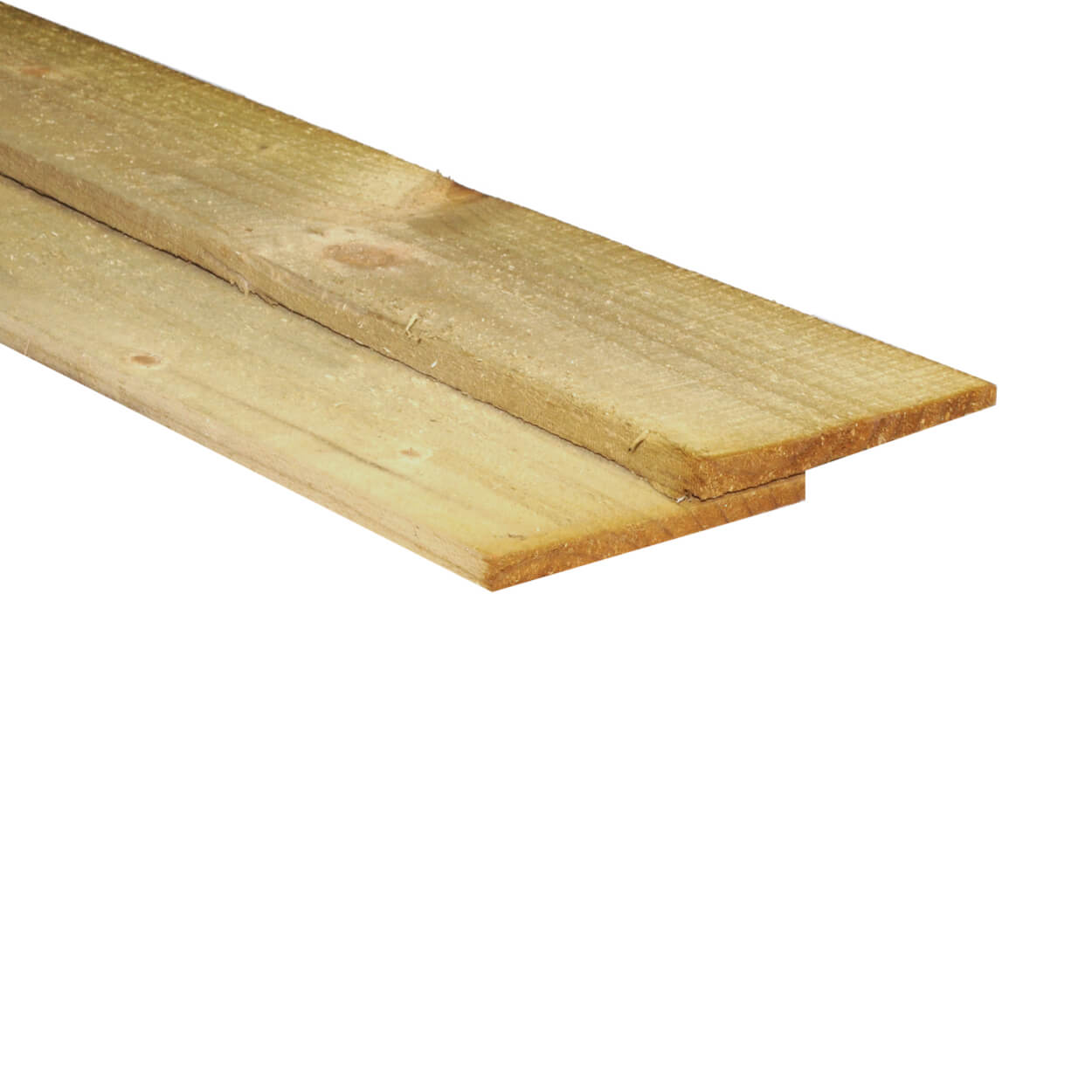
Tapered / featheredge |
| Coverage per board |
~100mm at 25mm overlap |
| Sold as |
Per individual board |
| Also available |
100mm and 150mm wide featheredge boards |
How Many Boards Do You Need?
At a 25mm overlap, a 125mm featheredge board covers approximately 100mm per board – that works out at roughly 10 boards per linear metre of fence. For a full 3m bay (the standard Arris rail length), you need around 30 boards. Use a fixed spacer when installing to keep the overlap consistent along the full fence length. Not sure how many boards you need? Our fencing calculator can help – please note it bases its calculations on 100mm boards. If your project uses a different board width or you’d just like a hand working it out, give us a call or drop us a message and we’ll be happy to help.
What Is Closeboard Fencing?
Closeboard fencing (also called featheredge fencing) is the most widely used timber boundary fence style in the UK, chosen for its strength, privacy, and longevity. A standard closeboard fence consists of five components:
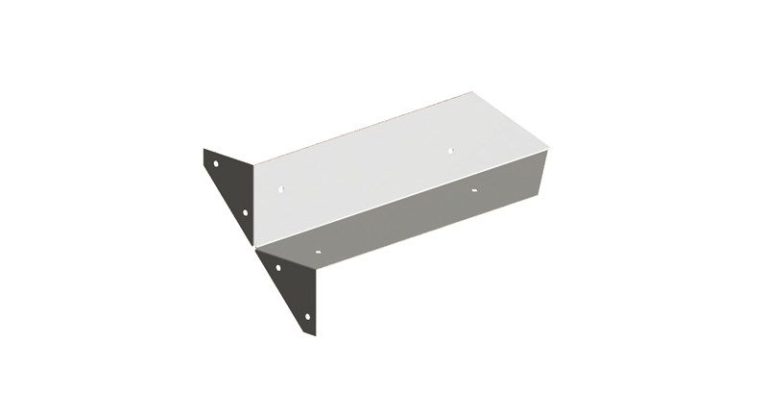
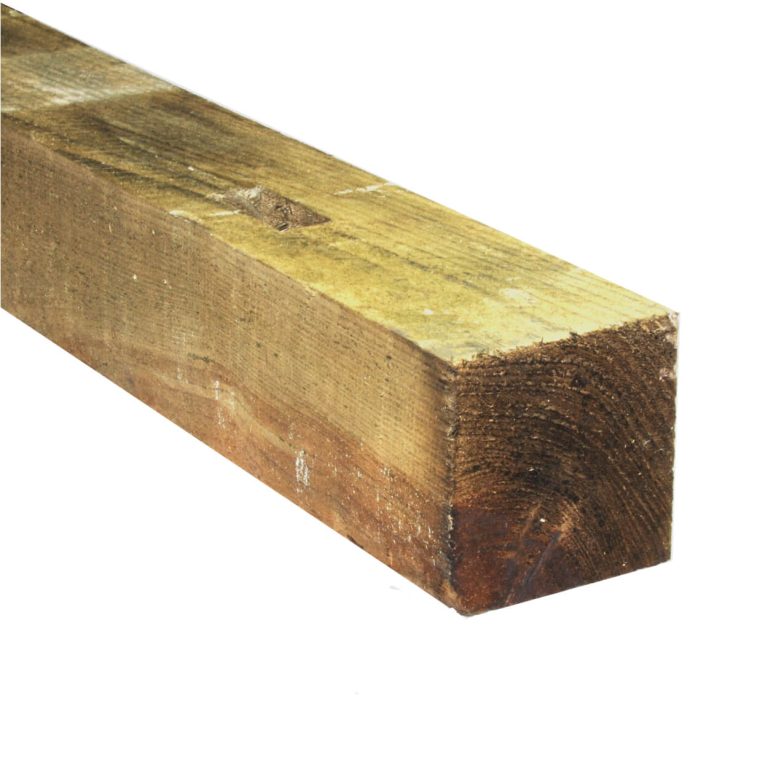
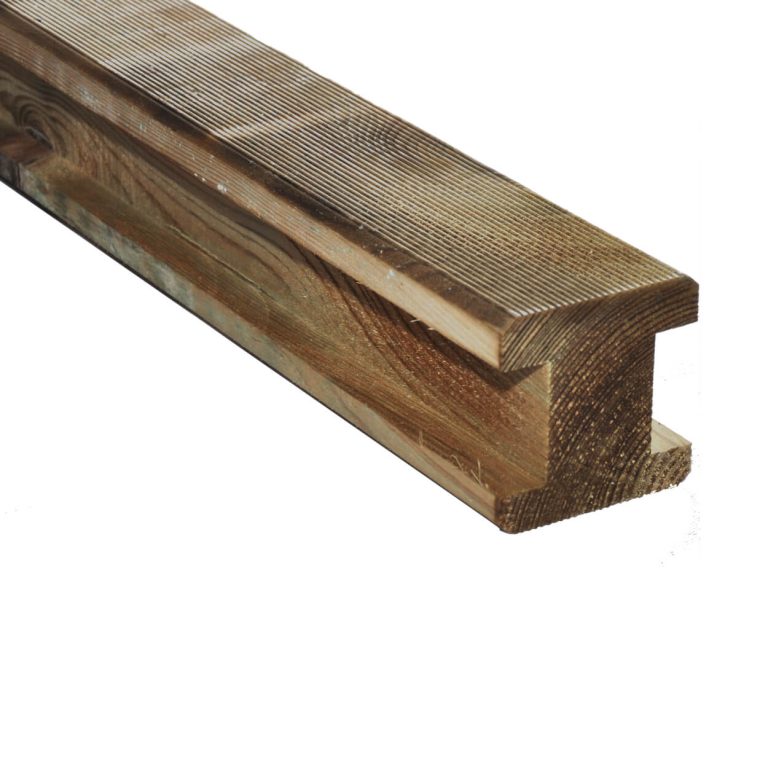
- Fence posts – usually set at intervals of 3m, as this is the standard bay size for most closeboard fencing projects. Shorter bays are also commonly used for bespoke areas or where the run doesn’t divide equally into 3m sections and all components are available in lengths up to 3.6m for those areas that need it.We supply fence posts in a range of options to suit every project – including straight timber posts for use with timber brackets, morticed posts with pre-cut mortice holes to accept arris rails, and V-notched posts for a traditional closeboard fit. Posts are also available in steel and concrete for added durability and longevity. If you need something bespoke, our own mill means we can mortice posts to your exact specification – just get in touch and we’ll help you find the right solution.
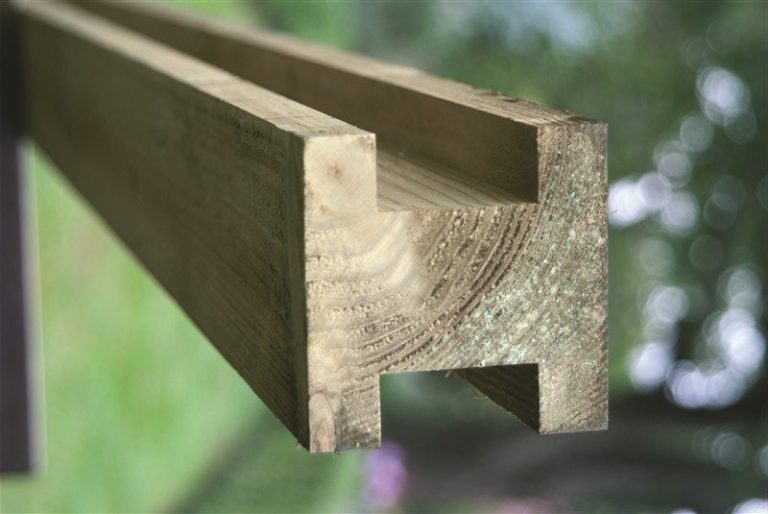
- Arris rails – horizontal triangular-section timber rails that span between your fence posts, forming the backbone of a closeboard fence. The featheredge boards are nailed directly to these rails, so getting the right number and spacing of arris rails is essential for a sturdy, long-lasting fence. Typically two rails are used per bay on standard height fencing, with three rails recommended for taller panels.
- Gravel boards – horizontal boards fitted at ground level between your fence posts, sitting just above the soil. Their job is to take the wear at the base of the fence – keeping your featheredge boards clear of damp ground, standing water, and soil contact, which significantly extends the life of the fence overall. Available in timber and concrete – concrete gravel boards are particularly popular as they offer excellent durability at ground level where moisture and rot are most likely to be a problem. A centre stump is recommended to support the gravel board along its length.
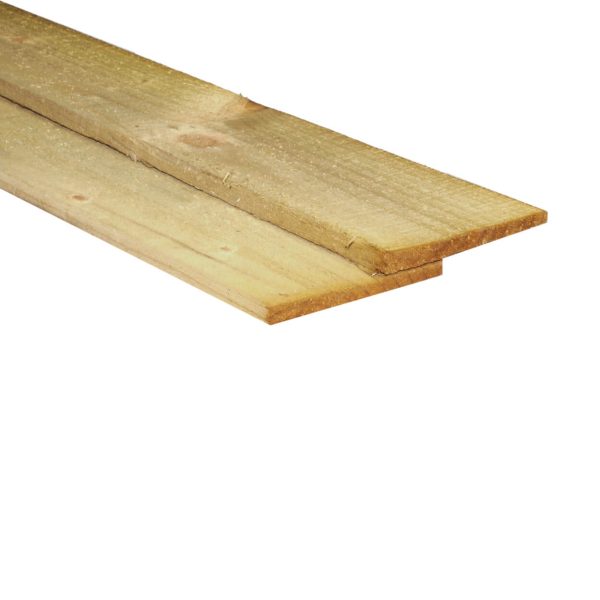
- Featheredge boards – overlapping vertical boards that give a closeboard fence its distinctive solid, traditional appearance. Each board tapers from a thick edge to a thin edge, and they are fixed to the arris rails in an overlapping sequence – thick edge over thin – creating a robust, weatherproof fence face with no gaps.
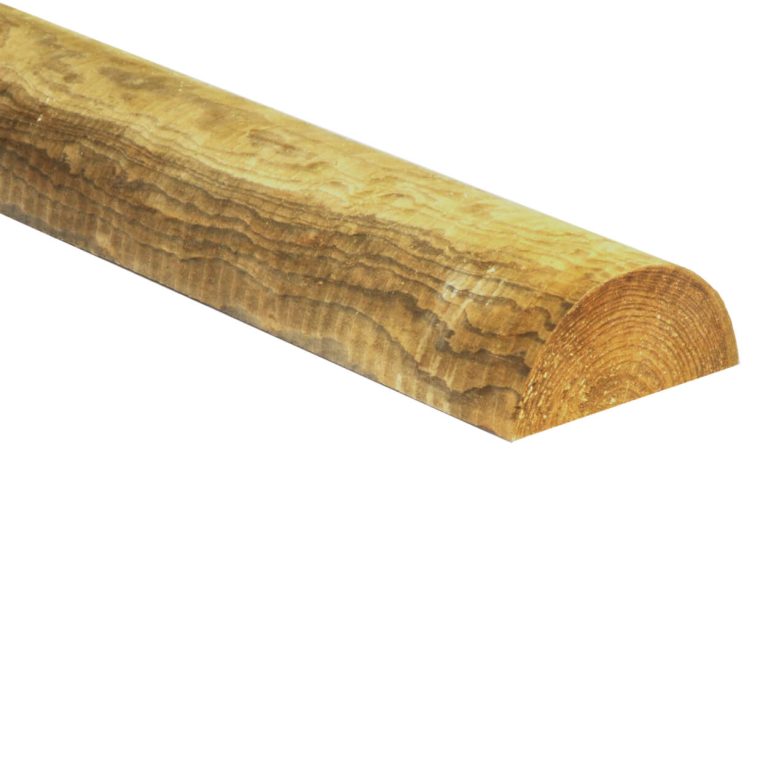
- Capping rail (optional) – sits along the very top of the featheredge boards, protecting the exposed top edges from rain ingress and helping to keep moisture out of the end grain – which is where timber is most vulnerable. Fitting a capping rail is strongly recommended as it significantly extends the life of your fence boards. Please note that a counter rail is required on the inside face of the fence to fix the capping rail securely in place – ask us if you need advice on this.
The 125mm featheredge board is the most popular width for closeboard fencing, giving a good balance between coverage per board and finished appearance – narrower than the cost-efficient 150mm option, but quicker to install than the more refined 100mm width.
100mm vs 125mm vs 150mm – Which Width Should You Choose?
| Width |
Coverage at 25mm overlap |
Boards per linear metre |
Best for |
| 100mm |
75mm per board |
~13 |
Tighter, more refined finish; closer board spacing |
| 125mm |
100mm per board |
~10 |
Most common width; good balance of coverage and cost |
| 150mm |
125mm per board |
~8 |
Faster installation; fewer boards needed per run |
Choosing the Right Treatment for Closeboard Fencing
These 125mm boards come in UC3 green pressure treatment, the correct specification for any featheredge board fixed above ground level. The treatment is applied under vacuum, so the preservative penetrates the timber rather than just sitting on the surface, which is what gives pressure-treated softwood a meaningfully longer service life than untreated timber in the same exposure. Because UC3 only covers above-ground use, the board itself is not designed to sit in or touch soil – that job belongs to a gravel board at the base of the fence, which takes the moisture load instead and is far cheaper to replace if it eventually rots. Expect the fresh green colour to mellow to a silvery tone within the first couple of years.
Applications
The 125mm featheredge board is suited to residential, commercial, and agricultural fencing wherever a close-boarded boundary is required. Typical uses include:
- Garden boundary and privacy fencing
- Replacement boards in existing closeboard fences
- External wall cladding on sheds, outbuildings, and agricultural buildings (applied horizontally)
- Equestrian and paddock boundary fencing
- Commercial site hoarding
Frequently Asked Questions
What is the difference between a 100mm and a 125mm featheredge board?
The 100mm board is narrower, giving a tighter, more refined finish but requiring more boards per metre. The 125mm board is the most commonly specified width, offering a good balance of coverage and cost – fewer boards are needed to cover the same fence run.
Are featheredge boards and featherboards the same thing?
Yes – feather board, featheredge board, feather edge board, and closeboard fence board all refer to the same product. The tapered profile is sometimes called a “feathered edge” because the thin end of the board resembles a feather quill in profile.
What Arris rails do I need with 125mm featheredge boards?
Standard arris rails for closeboard fencing are supplied in 3.0m lengths. For fence heights up to 1.5m (5ft), you typically need 2 arris rails per bay; for heights up to 1.8m (6ft), use 3 rails for better rigidity. View our Arris rails range.
Can I use 125mm featheredge boards for cladding as well as fencing?
Yes. Featheredge boards are commonly used as external wall cladding on sheds, outbuildings, and agricultural buildings, applied horizontally rather than vertically. The overlapping tapered profile works equally well in both orientations.
Are these boards suitable for ground contact?
No. Pressure-treated featheredge boards are treated to UC3 specification, which covers above-ground outdoor use. For components in ground contact (such as fence posts), a higher treatment class (UC4) is required. Always use gravel boards at the base of a closeboard fence to keep featheredge boards above ground level.